Hidden Historical Places in Princeton Most Tourists Miss
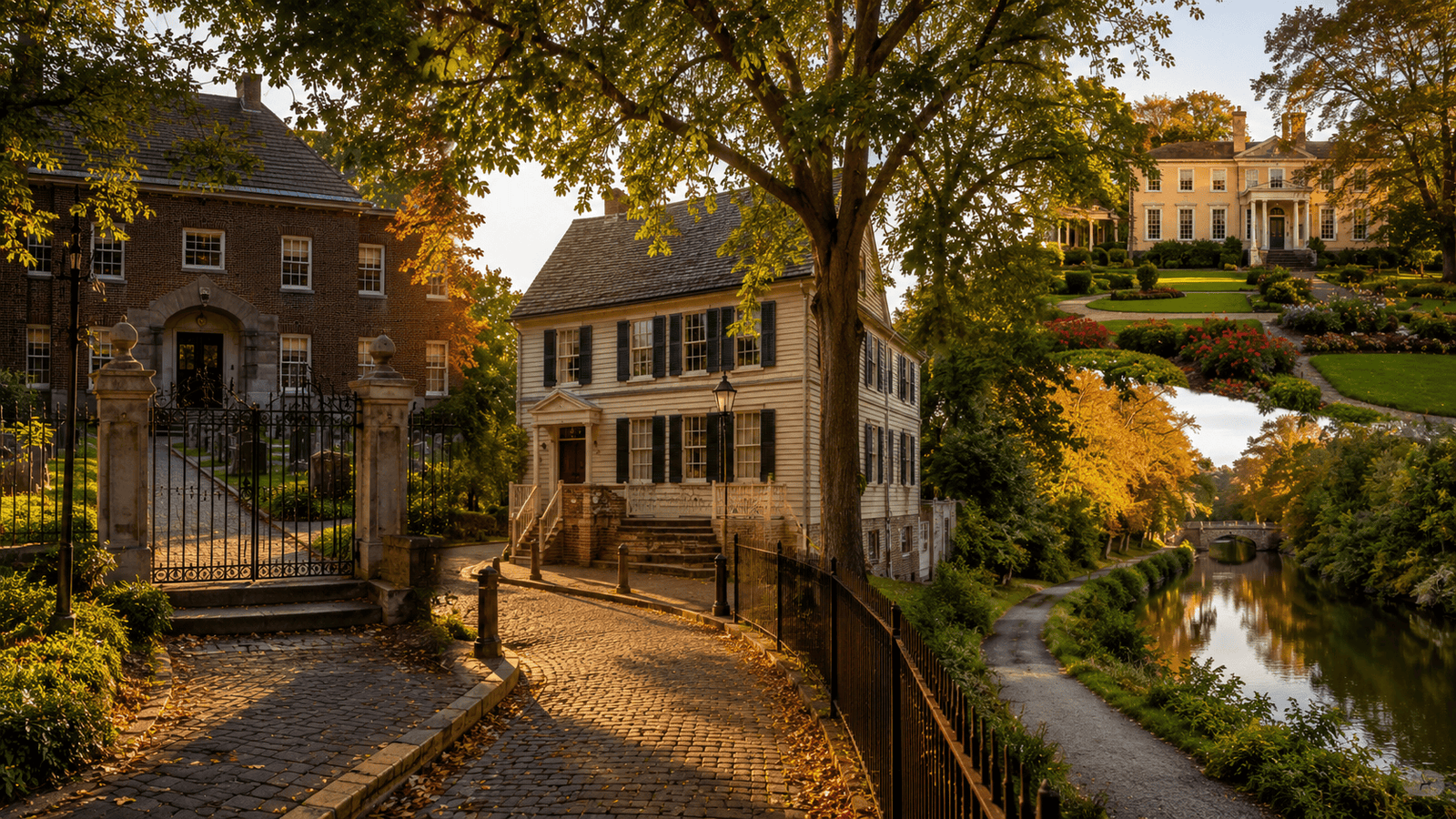
Hidden Historical Places in Princeton Most Tourists Miss are often overlooked by visitors who spend most of their time exploring Princeton University and Nassau Street. While these famous attractions deserve their reputation, the town is also home to quiet colonial landmarks, historic neighborhoods, peaceful gardens, centuries-old cemeteries, and forgotten sites that reveal Princeton’s fascinating past.
During one of my visits to Princeton, I decided to wander beyond the usual tourist route. Instead of following the crowds, I explored side streets, hidden courtyards, and lesser-known historical landmarks. I quickly realized that some of Princeton’s most memorable experiences were found away from the busiest attractions.
If you’re interested in discovering authentic local history, this guide highlights the Hidden Historical Places in Princeton Most Tourists Miss, helping you explore remarkable destinations that many travelers never notice.
Why Explore Princeton’s Hidden History?
Princeton has played an important role in American history since the colonial era. While thousands visit Princeton University every year, many overlook smaller historic sites scattered throughout the town.
Exploring these lesser-known landmarks allows you to discover a quieter side of Princeton while learning about Revolutionary War events, early American architecture, and the people who helped shape the community. These Hidden Historical Places in Princeton Most Tourists Miss offer an authentic experience away from busy crowds.
Bainbridge House
Standing near Nassau Street, Bainbridge House is one of Princeton’s oldest surviving homes. Originally built in the eighteenth century, this elegant building has witnessed centuries of change and now serves as an important historical landmark.
Its Georgian architecture immediately catches your attention, but many visitors simply walk past without realizing its significance. Taking a closer look reveals beautifully preserved details that reflect colonial craftsmanship.
For history enthusiasts, Bainbridge House easily ranks among the Hidden Historical Places in Princeton Most Tourists Miss because it provides a glimpse into everyday life during early American history.
Princeton Cemetery
Many travelers overlook Princeton Cemetery, yet it tells the story of generations who shaped the town and the nation.
Walking through its peaceful paths feels like visiting an outdoor museum. Historic gravestones, mature trees, and quiet surroundings create an atmosphere perfect for reflection. Several notable figures are buried here, making it an interesting stop for visitors interested in American history.
Although it isn’t a typical tourist attraction, the cemetery remains one of the Hidden Historical Places in Princeton Most Tourists Miss thanks to its historical importance and tranquil setting.
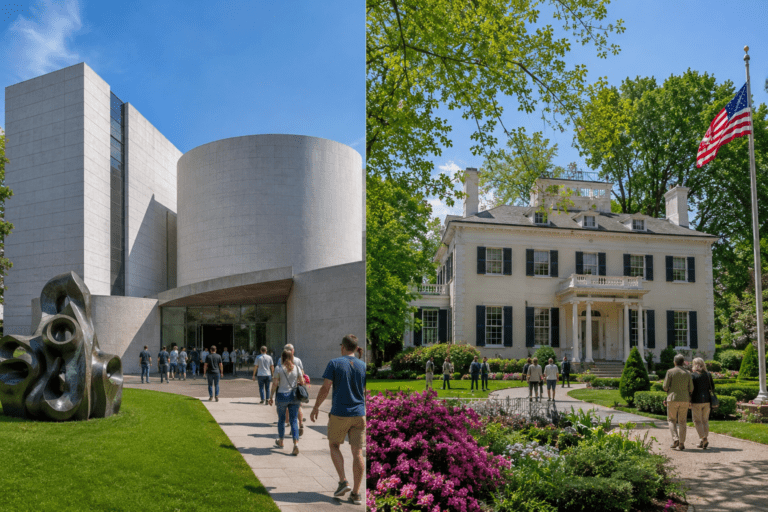
Morven Museum & Garden Grounds
While the museum itself attracts visitors, many people fail to fully explore the surrounding gardens and historic landscape.
Formerly home to New Jersey governors, Morven’s beautifully maintained grounds offer a relaxing escape filled with mature trees, seasonal flowers, and historic architecture. Walking through the gardens provides insight into Princeton’s political and cultural heritage.
The peaceful atmosphere makes Morven one of the Hidden Historical Places in Princeton Most Tourists Miss, especially for travelers who enjoy combining history with beautiful outdoor spaces.
Jugtown Historic District
Just a short walk from downtown lies the Jugtown Historic District, one of Princeton’s lesser-known neighborhoods filled with beautifully preserved nineteenth-century homes.
Unlike the busy university area, Jugtown offers quiet streets where visitors can admire historic architecture without large crowds. Many houses still display original design elements that showcase Princeton’s architectural evolution over the years.
For anyone interested in local history, this neighborhood deserves recognition among the Hidden Historical Places in Princeton Most Tourists Miss.
Delaware and Raritan Canal State Park
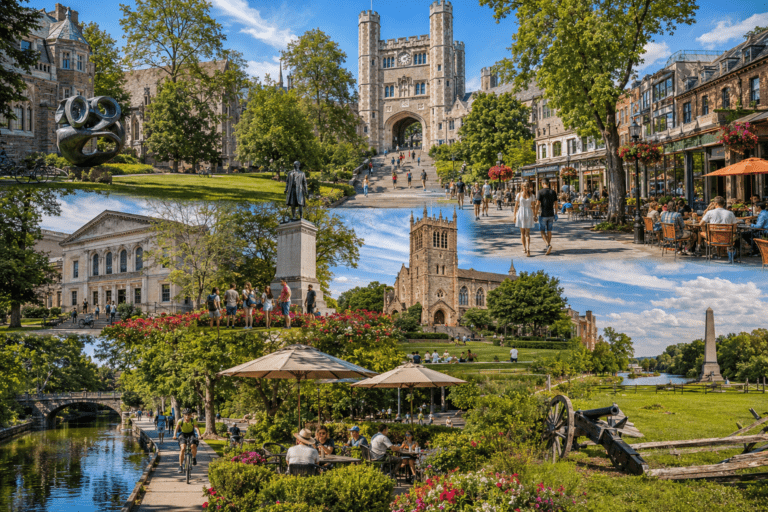
Although many people visit the canal for walking or cycling, few realize its historical significance.
Constructed during the nineteenth century, the canal once played a vital role in transporting goods throughout New Jersey. Today, visitors can follow scenic trails while learning about the region’s industrial development.
Interpretive signs along the path explain how the canal influenced Princeton’s economy, making it one of the Hidden Historical Places in Princeton Most Tourists Miss that combines history with outdoor recreation.
Prospect Garden
Hidden behind historic buildings near Princeton University, Prospect Garden remains one of the town’s quietest treasures.
Beautiful landscaping, winding pathways, and seasonal flowers create an inviting environment where visitors can relax while appreciating the area’s history. Because many tourists remain focused on the university campus, this peaceful garden often remains surprisingly uncrowded.
Its combination of natural beauty and historical significance earns it a place among the Hidden Historical Places in Princeton Most Tourists Miss.
Updike Farmstead
Located just outside the busiest parts of town, Updike Farmstead preserves Princeton’s agricultural heritage.
Historic farm buildings, educational exhibits, and open green spaces provide visitors with an opportunity to learn how farming shaped local communities long before Princeton became known for higher education.
Families and history lovers alike will appreciate this overlooked destination when searching for Hidden Historical Places in Princeton Most Tourists Miss.
Tips for Exploring Princeton’s Hidden Historic Sites
The best way to experience these locations is on foot. Comfortable walking shoes allow you to move easily between downtown landmarks and quieter neighborhoods while discovering details many drivers never notice.
Visiting during weekday mornings provides a more peaceful experience, especially in gardens and historic districts. Bringing a camera is also worthwhile since many of these locations feature beautiful colonial architecture and scenic landscapes.
As you explore these Hidden Historical Places in Princeton Most Tourists Miss, remember to respect private property and preserve the area’s historic character.
Frequently Asked Questions
What are the best hidden historical places in Princeton?
Some of the best hidden historical places include Bainbridge House, Princeton Cemetery, Jugtown Historic District, Prospect Garden, Morven Museum grounds, Updike Farmstead, and the Delaware and Raritan Canal.
Are these places free to visit?
Many outdoor historic sites, gardens, and neighborhoods are free to explore, while museums may charge admission.
How long should I spend exploring these locations?
A half-day walking tour is enough to visit several nearby sites, while a full day allows you to experience all of the hidden landmarks at a relaxed pace.
Are these places suitable for families?
Yes. Many locations offer open spaces, walking paths, educational exhibits, and beautiful scenery suitable for visitors of all ages.
When is the best time to visit?
Spring and autumn are ideal because of comfortable temperatures, colorful gardens, and beautiful foliage that enhance Princeton’s historic landscapes.
Official Princeton Visitor Information